
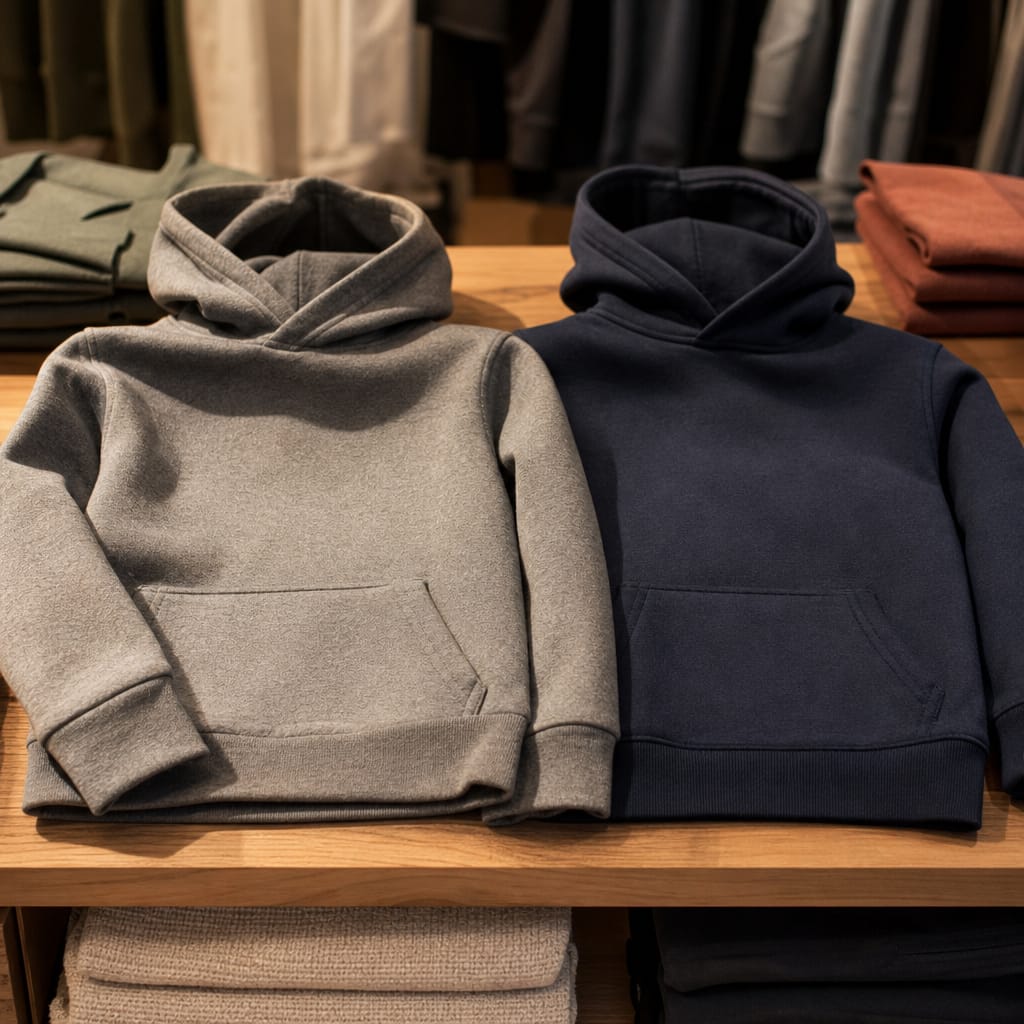
Two hoodies of the same fabric, same fit, with the same little kangaroo pocket at the front of each. One of them costs £25 at the till. The other costs £30. This is not because the shop is charging more for the larger size; it’s because one of them by HMRC’s own rules carries no VAT whatsoever on it.
This is not a trick that someone has managed to come up with in a late-night forum post. This is the deliberate and entirely legal consequence of UK tax rules written decades ago that have been fought over in tribunal hearings. It is quietly used by petite shoppers who have read the HMRC guidance.
Where HMRC Drew the Line (And How Precise It Is)
VAT on children’s clothing is charged at 0% – most people already know that. Few people are aware, however, that the line between children’s clothing and adult clothing is not determined by the age label on the hanger, the expected customer or even whether the item has been printed with a cartoon fox. The line is actually based on the measurements of the clothing item (i.e. the garment) against specific criteria published by HMRC (e.g. based on the chest measurement and/or seat measurement of trousers and similar items).
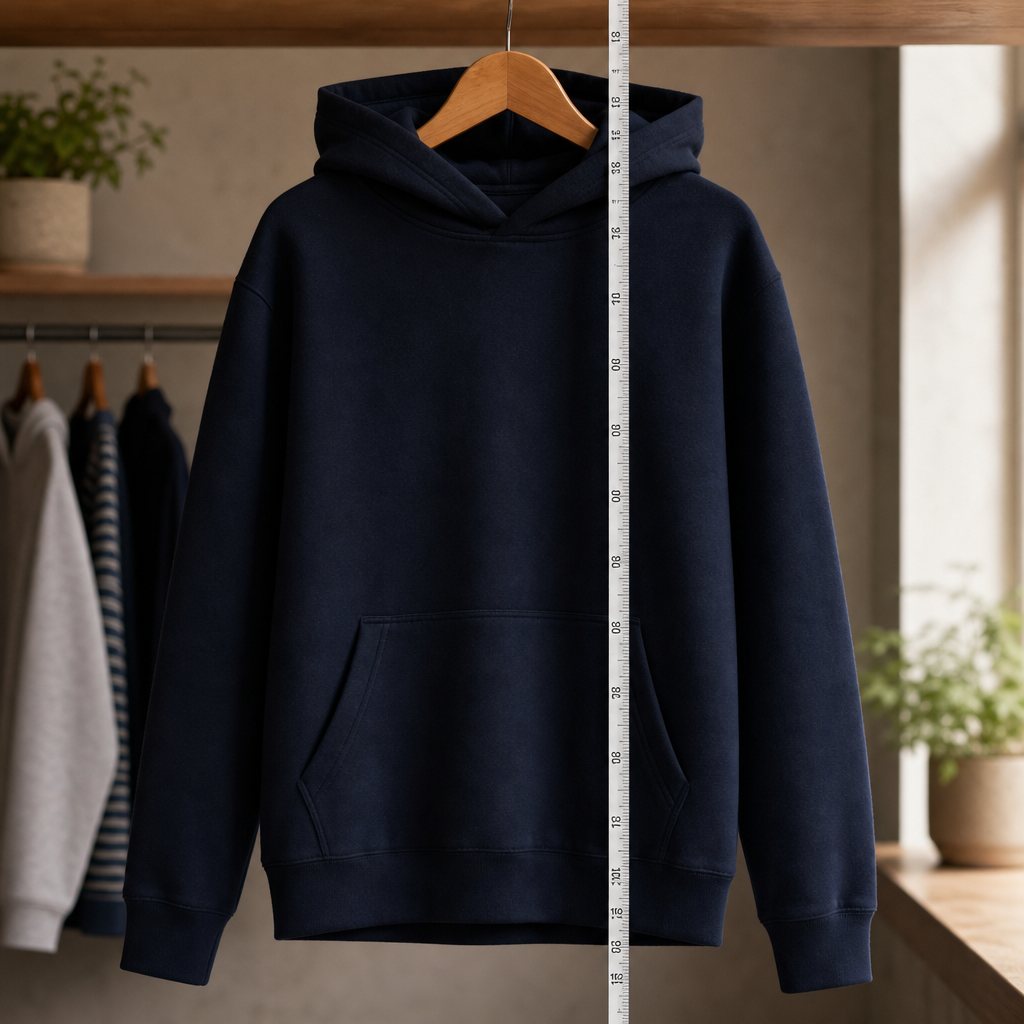
All thresholds are expressed as garment measurements, not body sizes, and differ between garments (e.g. shirt/jumper vs. coat). Children up to the eve of their 14th birthday are used by HMRC as a reference for children’s body measurements. For shirts/jumpers, boys’ garments up to a chest measurement of 104cm on the garment are considered children’s, girls’ up to 105cm. Coats have a greater allowed measurement. All garments at or within the listed thresholds incur no VAT. Garments that measure over the thresholds listed are generally charged at the standard VAT rate (20%). Thus, for example, a large children’s hoodie may fit a small adult and still qualify as children’s clothing (zero-rated) whereas the near-identical adult extra-small on the next rail would not.
| Garment (HMRC Notice 714) | Boys: max chest | Girls: max chest |
|---|---|---|
| Shirts | 104cm | 105cm |
| Knitwear | 104cm | 105cm |
| Jackets and waistcoats | 109cm | 110cm |
| Top coats and outerwear | 114cm | 115cm |
Chest is measured on the garment laid flat, 2.5cm below the base of the armhole, and doubled.
The size chart doesn't care who you are. It only cares what the tape measure says.
In addition, designers making older children’s clothing are effectively writing two briefs at once. The first is about how the garment looks and whether it will sell. The second is about whether the chest seam will sit inside the measurements in the HMRC table. A couple of centimetres added in pattern-cutting can move a product from zero-rated to standard-rated and therefore change its price on the label, just as any choice of fabric would.
The Tribunal Hearings (Which Were Completely Serious)
Actual cases have been decided by UK tax tribunals on whether particular items of clothing are childrenswear. Larger children’s sizes, unisex items and sports clothing that could fit both a big 12-year-old and a small adult have all been offered by retailers as childrenswear and HMRC has made detailed rulings on measurements to determine whether or not particular items fall within the definition. These cases have been taken seriously by the judges and in some cases hoodies have been the subject of serious consideration. The tables of measurements in the guidance note are there partly because these issues have arisen time and time again.
For more on the strange places tax rules end up, The Agreed-Upon Lie That Keeps the Lights On is worth a read.
The Petite Shopper's Accidental Advantage
If you are a UK women’s size 6-8 or on the smaller side of a men’s small, you may find that children’s plain tops, jumpers and hoodies in size 13 or 14 fit you. And if they do, they are subject to no VAT.
Of course the shops wouldn't advertise this, but the information is in published HMRC guidance that’s freely available. And in the end it’s just about measuring.
Frequently asked questions
Does the zero-rating apply to shoes as well?
Yes – footwear has its own limits in the same notice: boys' shoes are zero-rated up to and including size 6½, and girls' and unisex shoes up to size 5½, with a limit on heel height for the larger girls' sizes. Many women with smaller feet buy children's trainers for exactly this reason.
Can I get a refund on VAT I've already paid on clothes I could have bought in children's sizing?
No. Once a sale is made, the VAT is settled between the retailer and HMRC, and there's no way for an individual shopper to reclaim it on a personal purchase after the fact. The saving only happens at the point of buying the zero-rated garment in the first place.
Does the fabric or quality of the garment change whether it's zero-rated?
Not at all. The zero-rating is purely about measurements. A children's cashmere jumper in the right size is zero-rated; a polyester adult small is not. The material is entirely irrelevant to HMRC's calculation.
Where do I find the exact measurement thresholds?
HMRC Notice 714 sets out the guidance on zero-rating children's clothing and includes the full measurement tables that retailers are supposed to use. It's publicly available on gov.uk and gives the specific breakpoints for different types of garment – tops, trousers, footwear – down to the centimetre.
Do retailers always get this right?
Yes for the most part. There are established rules which are generally applied by retailers on a day-to-day basis. Where there may be some doubt is at the very edge of a measurement threshold, for example the “petite adult” cut may sit right on the cutoff. If in doubt as to whether VAT has been charged on a purchase, the receipt will confirm.