
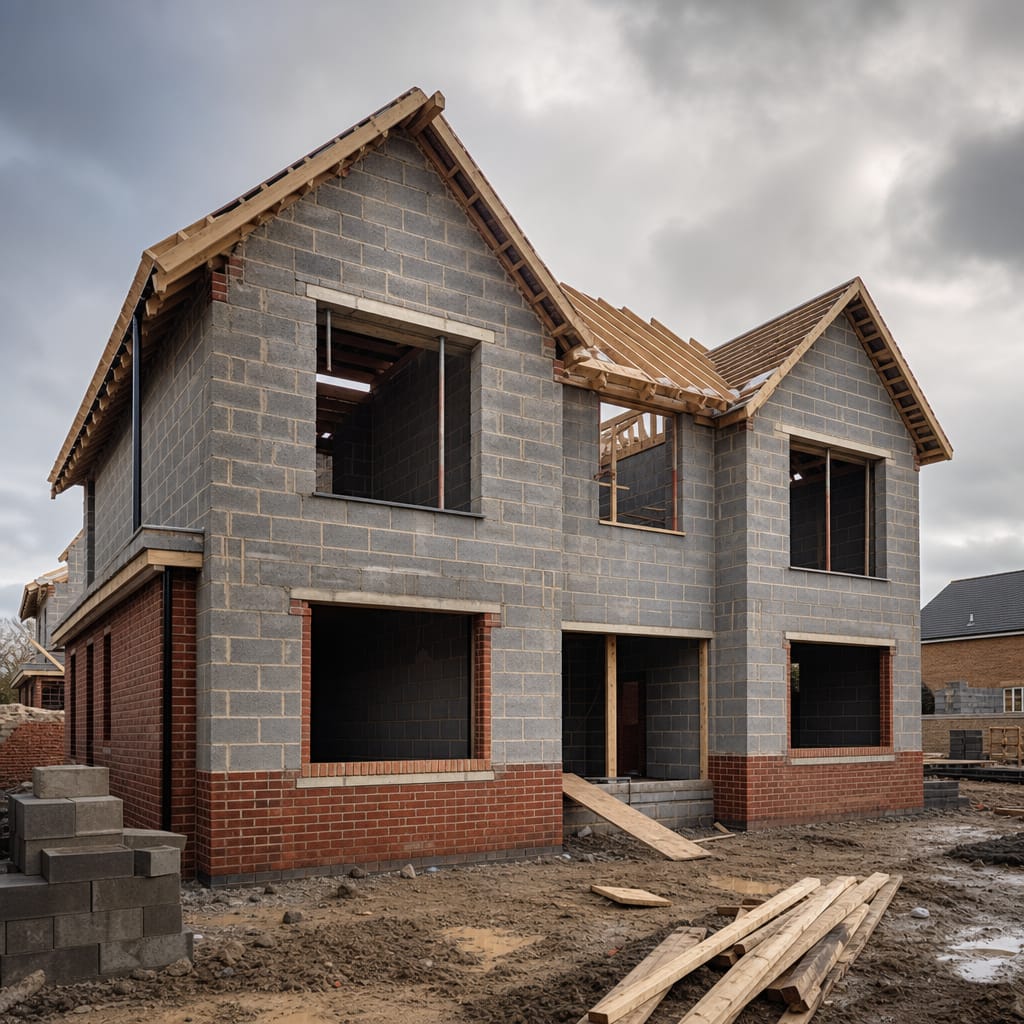

There's a moment, usually when you're waiting for a kettle to boil, when you actually look at the room you're standing in. The sash window. The fireplace with its ornate surround. The long terrace of identical houses stretching down the street. It all feels so… English. The sort of thing you might put on a biscuit tin. And almost none of it is.
The Sash Window
Take the sash window. The sliding double-hung design is so completely associated with the Georgian townhouse that architects still use it as shorthand for "respectable British property." But it came from the Netherlands. The Dutch brought it over in the late 17th century, most likely arriving in the cultural luggage that followed William of Orange when he took the throne in 1688. Before that, England was largely a casement country – and the whole look of the Georgian streetscape, the thing estate agents photograph from the pavement, is essentially a Dutch idea that stayed.
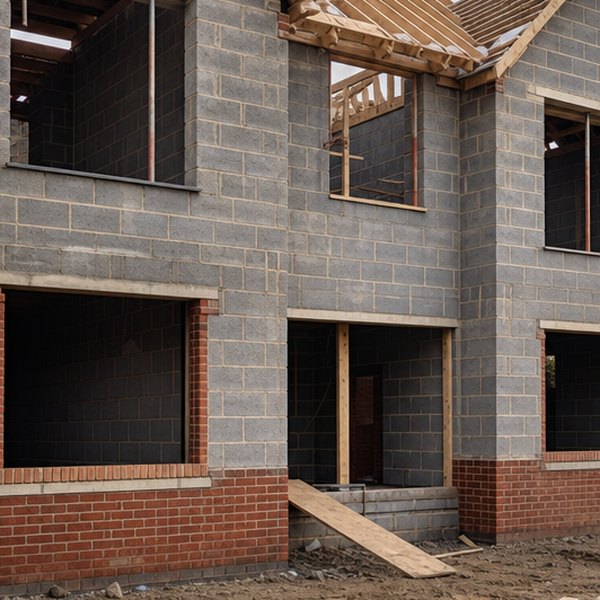
Where did the British terraced house come from?
The terrace itself has a more comedic origin. The Window Tax, introduced in 1696, meant that the more windows your house had, the more you owed the Crown. Builders responded by squeezing houses together into rows, sharing walls so the total window-count per household stayed manageable. They ran up long uniform terraces that made efficient use of the frontage. You were quite literally paying to see daylight. The bricked-up windows you still spot on older houses aren't renovation quirks; they're tax avoidance, frozen in masonry.
And That Fireplace
And that fireplace? The heavy, elaborate surround in the Victorian parlour – all marble veining and classical columns – was almost never marble. Manufacturers perfected a material called scagliola, an Italian technique using plaster, glue, and pigment to mimic stone so convincingly that most householders couldn't tell the difference. The aristocracy had carved stone; everyone else got the same look, mass-produced and shipped to houses that couldn't have afforded the real thing. Essentially, the Victorians were doing premium replica goods two centuries before the concept had a name.
Is anything about the British house actually British?
What's interesting is that none of this was reluctant borrowing. Each time a foreign idea arrived – Dutch engineering, Flemish brickwork, Italian decorative technique – British builders grabbed it, adapted it to local conditions and local budgets, and then forgot entirely that it had ever come from somewhere else. The borrowed thing became, through repetition, simply how things were done.
It's the same instinct behind the most exciting food happening in Britain right now. Your house has been doing that for three hundred years.
The biscuit-tin Englishness of the terraced street, the sash window, the tiled fireplace – it's a collage. A very well-worn one, admittedly, but a collage all the same.
Questions this raises
- Why did sash windows catch on so quickly here?
- When did the fireplace stop being the main heat source?