
Somewhere inside you, right now, a tiny war is being waged between two branches of your nervous system. One wants to speed everything up. The other wants to slow it all back down. Your heart, caught in the middle, doesn't beat to a perfect tick-tick-tick the way a metronome would. The gaps between beats vary, fractionally, beat to beat. And that variation – that beautiful, slightly ragged inconsistency – is one of the best signals we have of how fit you actually are.
This Is Heart Rate Variability
This is heart rate variability, or HRV. Turns out that the more irregular your heartbeat is (within reason), the healthier your cardiovascular system probably is.
Which seems completely backwards until you think about it properly.
Why a Perfectly Regular Heart Is Bad News
A perfectly regular heart, one that spaces its beats with clockwork precision, is actually a sign that one part of the nervous system has won the argument outright and the other has gone quiet. In a person in poor health, the system that governs stress responses – the one that speeds everything up – tends to dominate, and the recovery system barely gets a word in. The heart just hammers away at a flat, dull rhythm. But in someone fit and well-rested? Both sides of the argument are active and responsive. The heart speeds up fractionally as you breathe in and eases back as you breathe out. The gaps between beats shift. It's the biological equivalent of a conversation rather than a monologue.
Elite Athletes Look Alarming
Elite athletes tend to have HRV scores that look alarming to the untrained eye. The variation is wide, the rhythm looks almost chaotic on paper. But that's not chaos – it's responsiveness. The body is ready to shift gear the moment it needs to.
Why Coaches Track It Daily
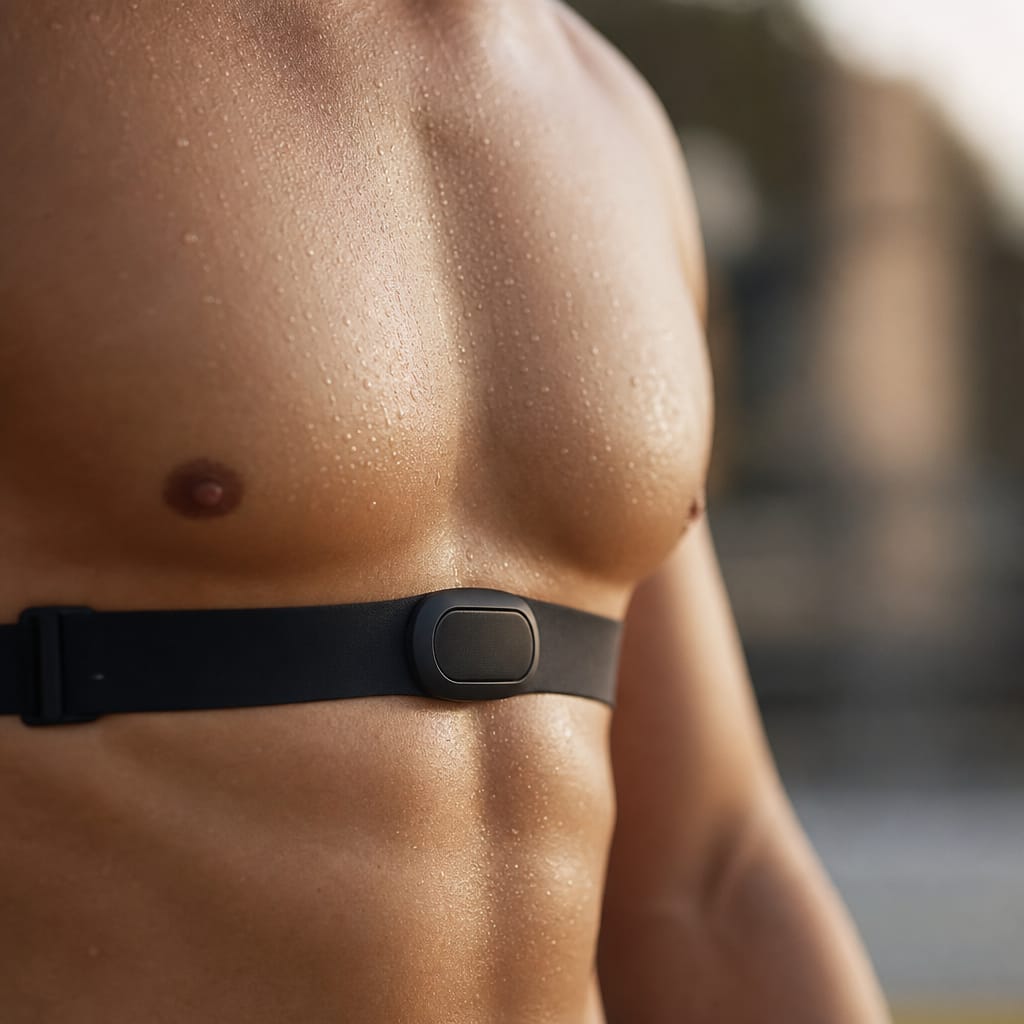
This is why coaches in professional sport now track HRV every morning like a musician reads a score before rehearsal. An athlete wakes up, takes a sixty-second reading (usually via a chest strap or a phone app), and that number tells the coaching team whether the body has recovered from yesterday's session or whether it's still arguing with itself. A low HRV on a Monday morning after a hard weekend of training isn't cause for panic. It's information. Push through an intense session on a suppressed HRV and you're adding debt to a body that's still paying off last week's invoice; rest or go easy instead, and the numbers climb back.
The genuinely odd thing is that all this precision was available to us the whole time. Your heart has been broadcasting this signal since before you were born. It took sport – and the obsessive, slightly beautiful need athletes have to optimise absolutely everything – to make anyone listen carefully enough.
Questions this raises
- How do you measure heart rate variability at home?
- What counts as a good HRV for your age?
- Can you improve HRV through training?
- Does stress show up in HRV before you feel it?