
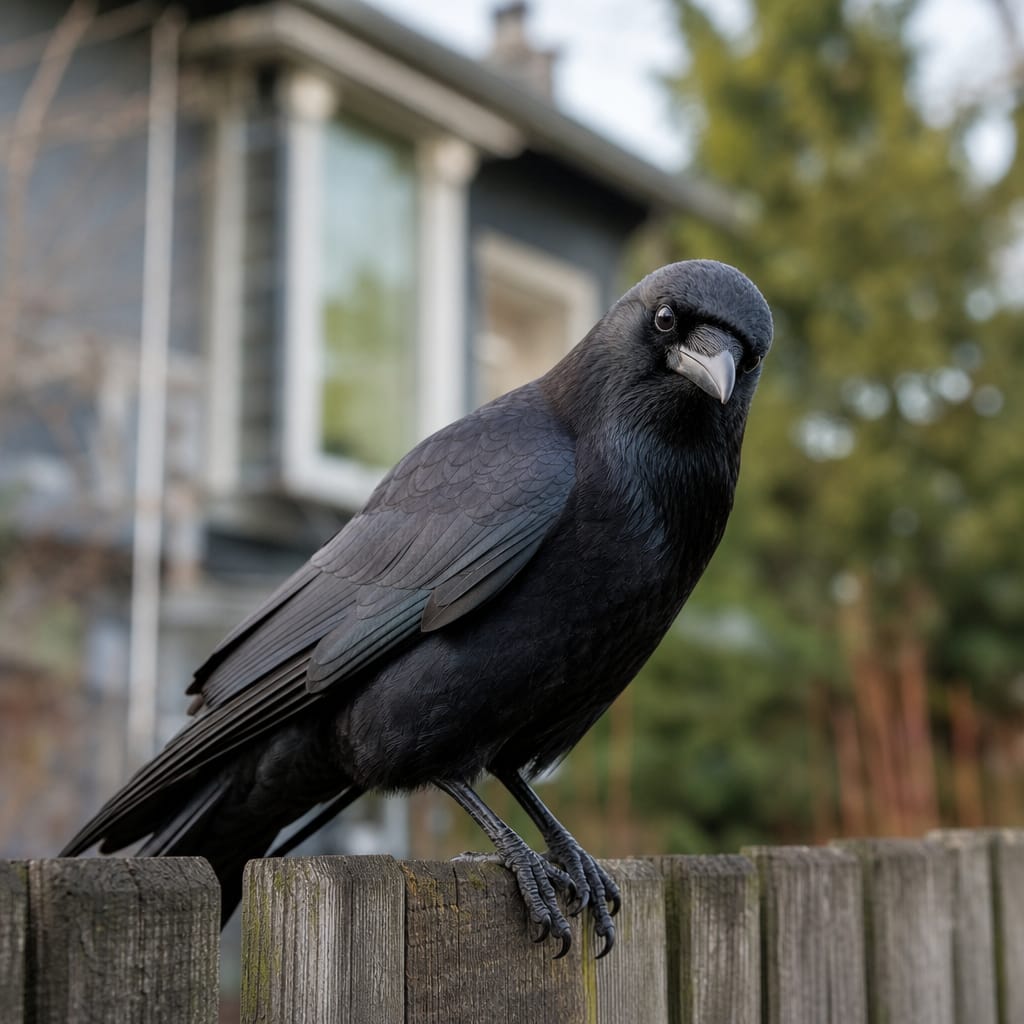

There is a crow in Seattle that hates a specific scientist. Not crows in general, not humans broadly – this particular crow has a problem with this one man, and it has made sure that every crow in the neighbourhood knows it too. The man knows this because he's spent years studying exactly this behaviour. The crows repaid him by becoming the subject of his own research. It's a bit like writing a book about wasps at a picnic.
How long do crows remember a face?
Crows can recognise individual human faces. Not silhouettes, not heights, not clothing – actual faces, the way you'd recognise a colleague or a difficult neighbour. In studies where researchers wore specific masks while trapping and banding wild crows, the birds remembered those masks for years afterwards. Walk past in the same mask a decade later and they'll divebomb you. They'll also scold you loudly enough that every crow nearby comes over to have a look, and those crows – the ones who were never trapped, never touched, had absolutely nothing to do with the original incident – learn the face too. From then on, they hold the grudge on behalf of someone else's experience. This is social learning of a genuinely complicated kind: not just "that thing is dangerous", but "that specific face did a specific thing to one of us, so remember it". Which is, if you think about it, basically how village gossip works.
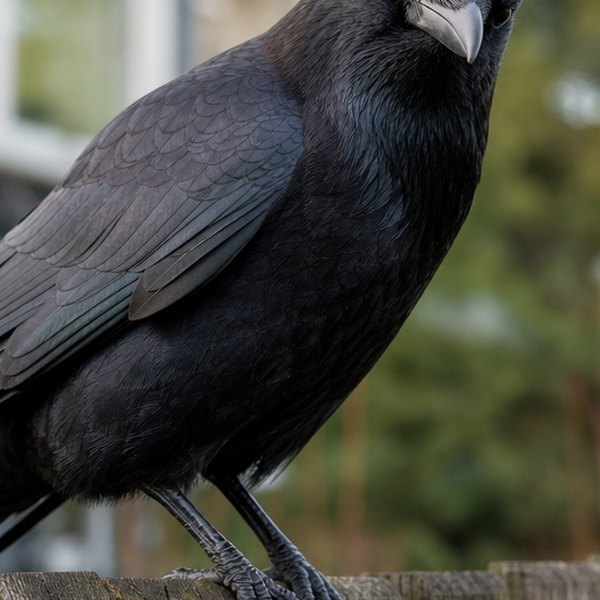
The Neuroscience Behind It
The neuroscience behind this is interesting even if you have no particular feeling about crows. Birds don't have a neocortex – the part of the mammalian brain we long assumed was responsible for complex thought. For a long time this led everyone to quietly assume birds were, to be generous, not deep thinkers. Then researchers started looking more carefully at a different brain region called the pallium, found it was doing much of the same work through a completely different architecture, and the whole "bird-brained" insult began to look embarrassing. Crows, ravens and their relatives turned out to have a pallium so dense with neurons it produces capacities we'd only previously associated with primates: planning, tool use, and yes, long-term social memory with a side of vendetta.
Do crows teach their young which people to avoid?
The mob recruitment is the really unnerving part. When a crow spots the hated face, it gives a specific alarm call – not the generic "hawk overhead" panic, but something closer to "come and see this one in particular". Other crows interpret this correctly and arrive to help. What you end up with is a coordinated, community-maintained blacklist, updated socially and passed down through observation. Young crows learn who to hate from watching the adults react, which means the grudge genuinely outlives the individual who first formed it. for a piece on a topic only slightly related to all of this.
None of this requires crows to be conscious of their own intelligence, of course. But then, neither do we require that of the person in the village who's been cold to your family since something that happened before you were born.
Questions this raises
- Which other birds can recognise individual humans?
- Why do crows mob people they have taken against?



)