

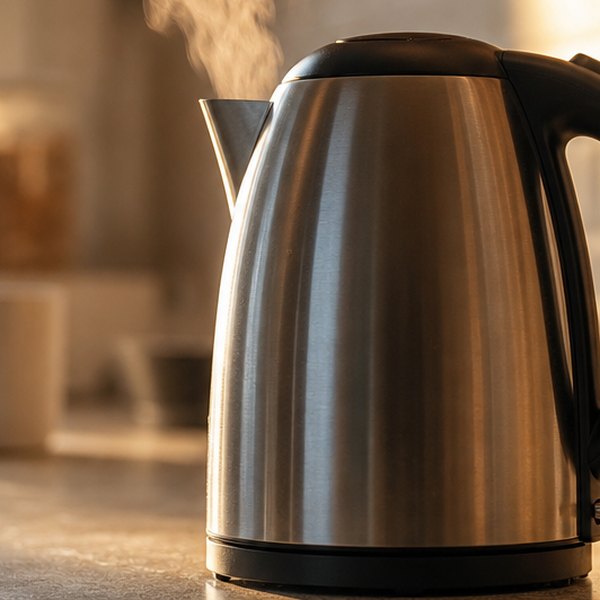
By the time you've made it to the kettle this morning, your brain has already handled several hundred decisions without once asking you for a second opinion. Which foot led out of bed. Which tap you turned. Whether to click the kettle on before or after you opened the cupboard. None of it troubled your conscious mind. That was the point.
Your brain is running a gearbox of its own – and it's been quietly building it since you were small.
Which part of the brain stores habits?
The mechanics work roughly like this. The first time you do something new, your prefrontal cortex is fully engaged, burning energy, weighing options, making calls. That's first gear: cautious, deliberate, a little slow. Do the same thing enough times, though, and the brain starts to notice. The sequence gets passed down, away from the thinking part, into deeper, more automatic structures – particularly the basal ganglia, which handle routine behaviour the way an automatic gearbox handles a familiar road. Smooth. Efficient. No conscious input required.
This is called chunking. A whole sequence of separate actions gets compressed into a single habit unit, triggered by a cue and delivered almost entirely without you. Your morning routine isn't a series of choices. It's one long gear that was quietly assembled over years and now just runs.
Why It Is Genuinely Brilliant
Which is genuinely brilliant, because if you had to think about every single thing you do, you'd barely make it to the door. The brain's processing capacity is not infinite, and habit is how it rations the expensive stuff for situations that actually need it. Downshift the familiar. Keep the new stuff upstairs, where the real thinking happens.
For more on the mechanical version of this – the one under the bonnet rather than inside your skull – Your Automatic Gearbox Is Making Decisions Before You've Finished Thinking is worth a look.
A Gearbox Doesn’t Know Where You’re Going
The tricky part is that a gearbox doesn't know where you're going. It just responds to what it's sensing right now. And that's fine when the road you're on is the road you want to be on. It gets more interesting when it isn't. Habits laid down under old circumstances keep firing under new ones, because the trigger still lands even if the context has shifted entirely. You reach for your phone when you sit down – not because you decided to, but because that gear was built so thoroughly that sitting and reaching have become a single motion.
You can't easily dismantle a habit. The research is fairly consistent on that: the groove doesn't go away. What you can do is cut into the sequence at the point where the cue fires and do something different before the automatic gear engages. That gap – the tiny breath between trigger and response – is where your prefrontal cortex gets its window. It's not much of a window. But it's yours.
Your brain is, in this sense, an extraordinarily thoughtful engineer. It has spent your entire life optimising so you don't have to think. The question is just whether you still agree with all the routes it mapped for you back then.
Questions this raises
- How long does a new habit take to become automatic?
- Can you break a habit once it has been chunked?
- Why do old habits come back under stress?