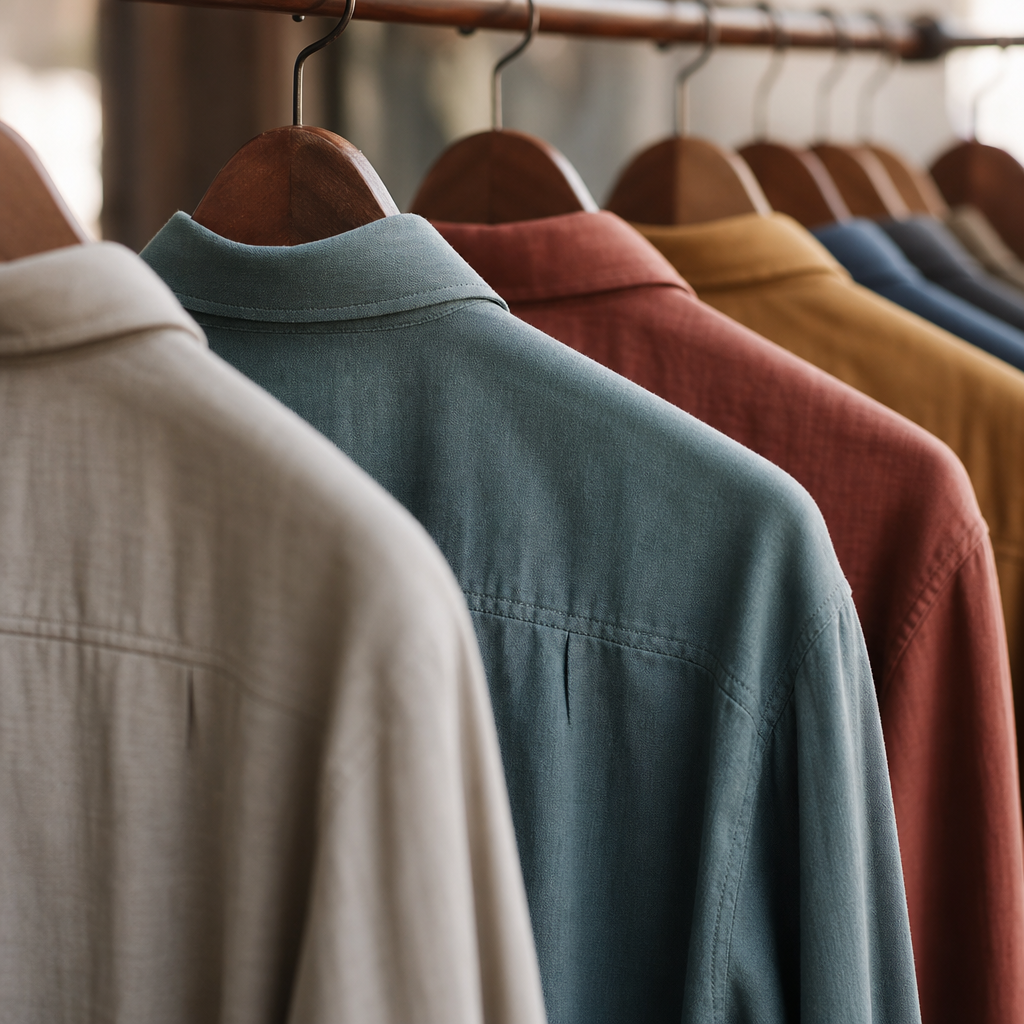


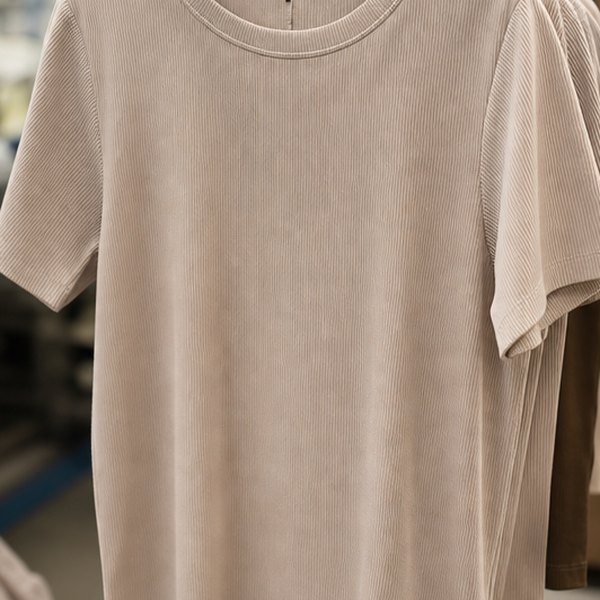
Pick up a £12 polyester top from a fast fashion retailer and you are holding something that was, in a sense, decided long before anyone cut a single piece of fabric. Not by a designer sketching in a Milanese studio. Not by a buyer wandering trade shows in Paris. It was decided by software.
The Bit That Stops People
This is the bit that tends to stop people. We imagine fashion as intuitive, human, chaotic – a hunch about what colour feels right this spring, a gut call about whether wide legs are coming back. And at the very top end, maybe that's still true. But down in the part of fashion that most of us actually buy from? The process looks a lot more like logistics than art.
How quickly can a new garment reach the shop floor?
The software in question is supply-chain management. Algorithms that sit across thousands of supplier relationships simultaneously, tracking what factories have capacity, what shipping routes are running on time, what raw materials are available in what quantities and at what price. Zara famously built its entire business model around the speed this kind of system could produce – getting a new garment from concept to shop floor in roughly two to three weeks at its fastest. That is not a human achievement. That is a scheduling algorithm solving about a thousand small problems at once so a warehouse in La Coruña can tell a factory in Turkey to start cutting on Monday.
What software predicts fashion trends?
But the stranger part is what feeds into these systems upstream. Trend forecasting tools now scrape social media, search data, and even the colour palettes appearing in TV shows and celebrity photographs to predict, months in advance, what consumers will want. The algorithm spots that a particular shade of sage green is appearing more often in lifestyle content, flags the pattern, and the buying system notes that a supplier in Bangladesh has the right dye in stock. A purchase order goes out. By the time you see the colour everywhere and think it has simply arrived, it was placed into production before most people had consciously noticed the trend at all.
What you are wearing is less a fashion choice and more a printout. The code ran, the decision was made, and the garment arrived. You felt like you were shopping. You were mostly just collecting something that had already been assigned to you by a prediction engine.
Your Taste Is Still Real
None of this means your taste isn't real. It means that taste is being studied, modelled, and anticipated at industrial scale. The genuinely unsettling bit is how good the models have got. When a retailer's algorithm correctly predicts that you will want something you haven't consciously wanted yet, the question of who is really driving your wardrobe gets a little blurry. The machine didn't invent your preferences. It just got there first.
Questions this raises
- Does trend forecasting software ever get it badly wrong?
- Are human designers still involved in high street fashion?