
In the 1970s, a computer scientist called Vint Cerf sat down and invented the addressing system that would eventually run the entire internet. He gave every device connected to the network a unique numerical address – the way a house has a postcode and a street number – so that data packets could find their way from one machine to another. He called it IP addressing. It was elegant, it was clever, and it had one small flaw buried inside it: Cerf assumed the internet would stay fairly small.
Four Point Three Billion Addresses
He allowed for about 4.3 billion unique addresses. That sounds like plenty, right? Then again, in 1974, nobody was thinking "let's give every human on Earth several internet-connected devices each."
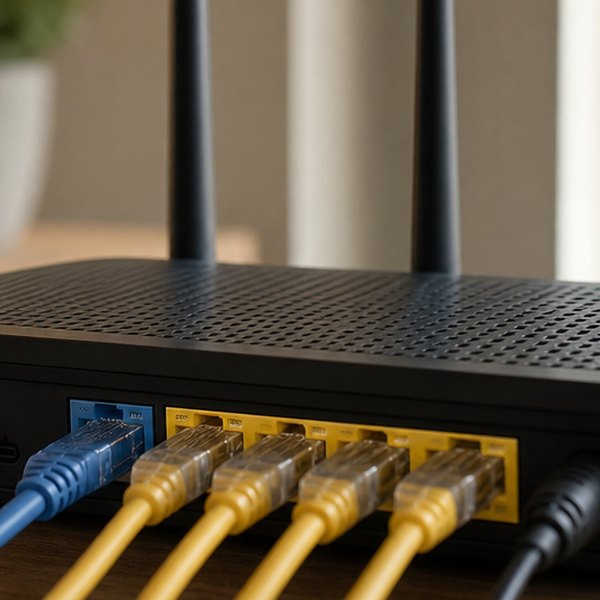
How an IPv4 Address Is Written
The addresses are written in what's called IPv4 format – four sets of numbers separated by dots, something like 192.168.1.1. Each of those number clusters only goes up to 255, which is why the total caps out where it does. Every laptop, every phone, every smart thermostat and every bored office printer needs one. By the early 2000s, the clever people who watch these things were starting to look nervously at the remaining stock of unused addresses. You know that look – the one you get staring at a petrol gauge that's been sitting on a quarter-full for longer than seems reasonable.
The last big blocks of IPv4 addresses were formally handed out in 2011.
What happened when IPv4 addresses ran out?
So what happened? The internet didn't stop. Your phone still works. The answer is that the world pulled off something quietly remarkable: it renumbered every building while everyone was asleep inside them.
IPv6
The new system is called IPv6, and instead of four clusters of numbers it uses eight clusters of hexadecimal characters – letters and numbers mixed together – which gives you not 4.3 billion possible addresses but 340 undecillion. That's 340 followed by 36 zeros, a number so large it has been compared to giving every atom on Earth its own address with room to spare.
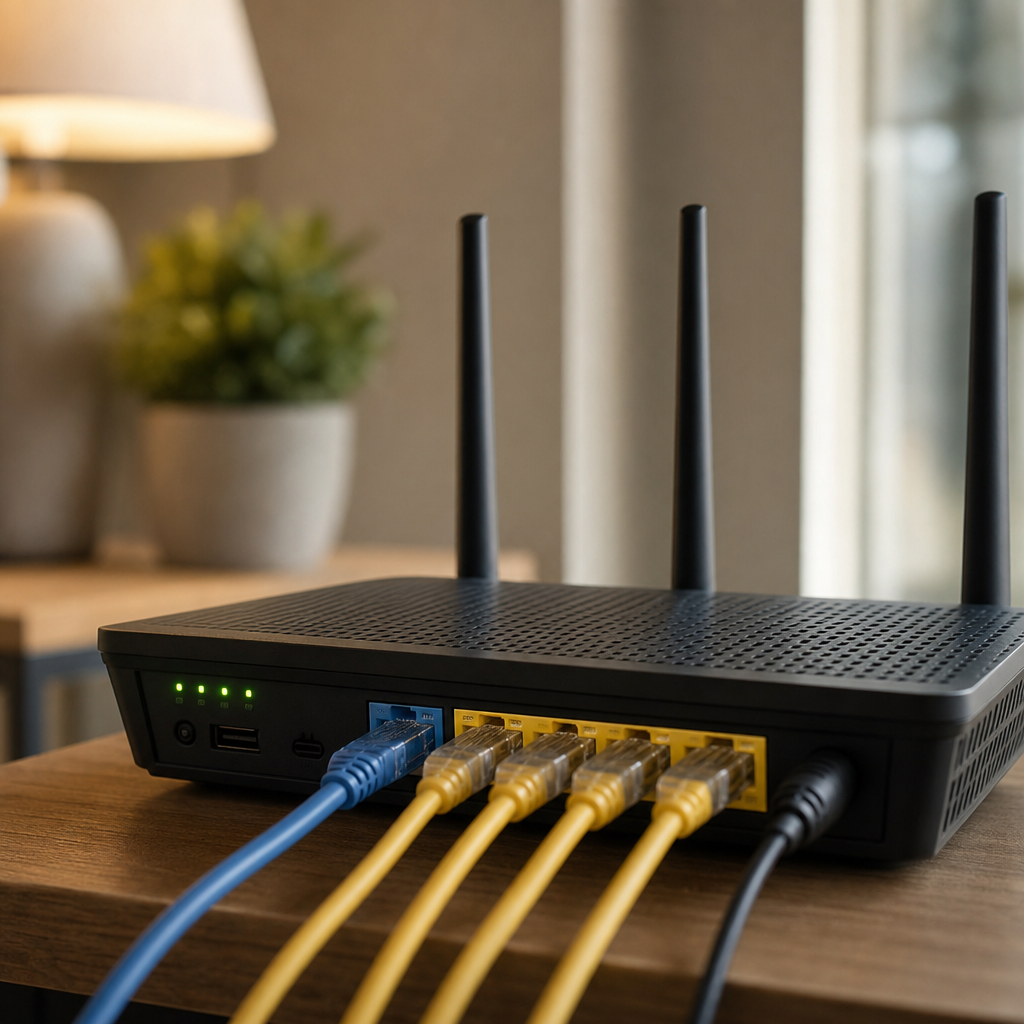
The migration has been happening gradually and almost entirely invisibly since the mid-2000s. Your home router almost certainly speaks both systems at once, a trick called dual-stacking, which is exactly what it sounds like: running the old address format and the new one simultaneously, translating between them as needed. When you load a webpage, your device quietly negotiates which version to use without involving you in the decision at all.
The strange thing is that most of us are already using IPv6 daily and have no idea. Your phone on a mobile network very likely has an IPv6 address right now. The infrastructure shifted around us like a city quietly repainting its street signs at three in the morning. For a decade, nobody noticed.
Vint Cerf, for what it's worth, is still very much alive and has spent years helping lead the effort to fix the thing he accidentally broke. There is something quite endearing about that.
Questions this raises
- Why has IPv6 taken so long to be adopted?
- How do several devices in a house share one address?
- Can you still buy an IPv4 address today?